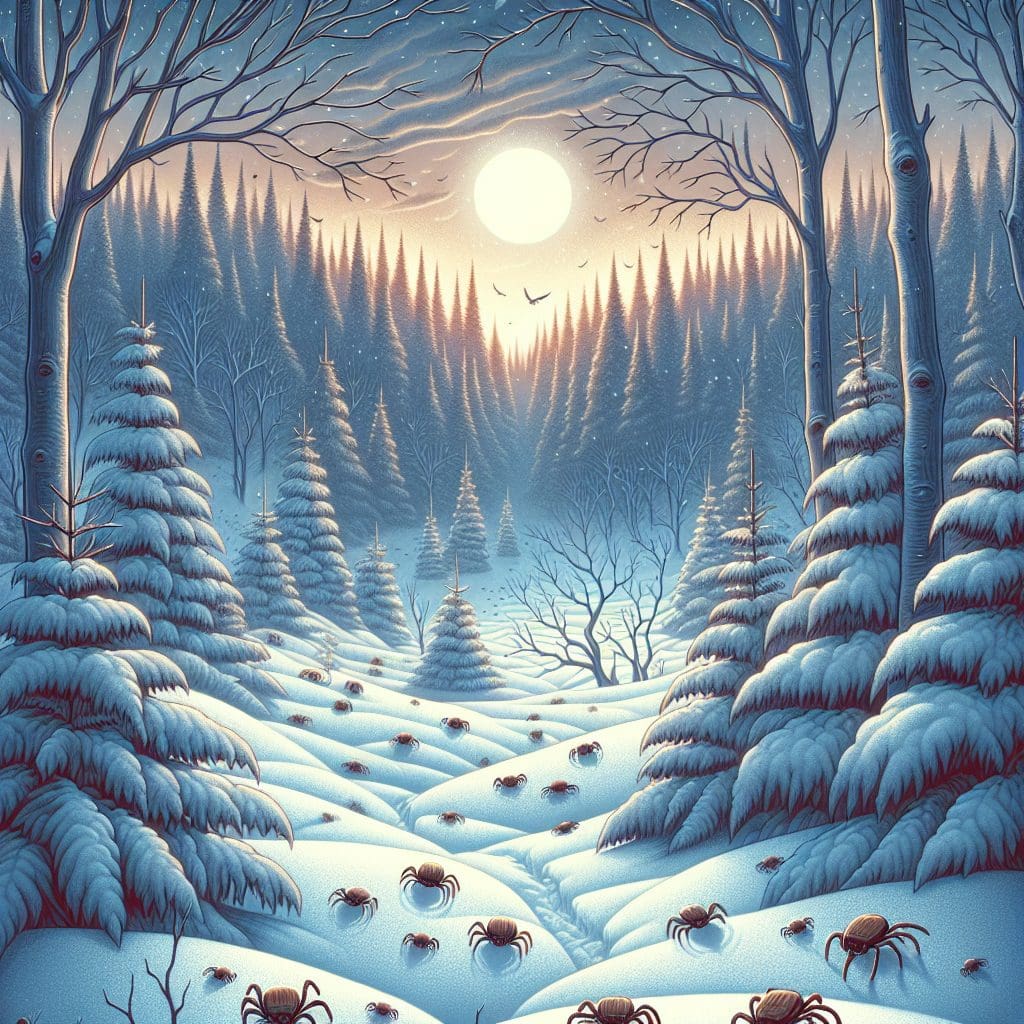
Experts assert that this year’s snowy winter will not affect tick populations.
Experts assert that this year’s snowy winter will not significantly impact tick populations, defying common beliefs that cold weather can control their numbers. While harsh winters can reduce some insects, ticks have adapted to survive extreme conditions. They enter a state of dormancy, often referred to as diapause, allowing them to endure freezing temperatures and snow cover.
Moreover, the insulating properties of snow can actually shield ticks from the cold, enabling them to remain viable. As spring approaches, rising temperatures will awaken these dormant ticks, leading to an uptick in their activity as they seek hosts.
Additionally, environmental factors such as humidity and the availability of wildlife host populations play a more crucial role in tick proliferation than winter temperatures alone. Thus, experts emphasize maintaining vigilance against ticks in warmer months, highlighting the importance of preventative measures against tick-borne diseases despite a seemingly harsh winter.
For more details and the full reference, visit the source link below: