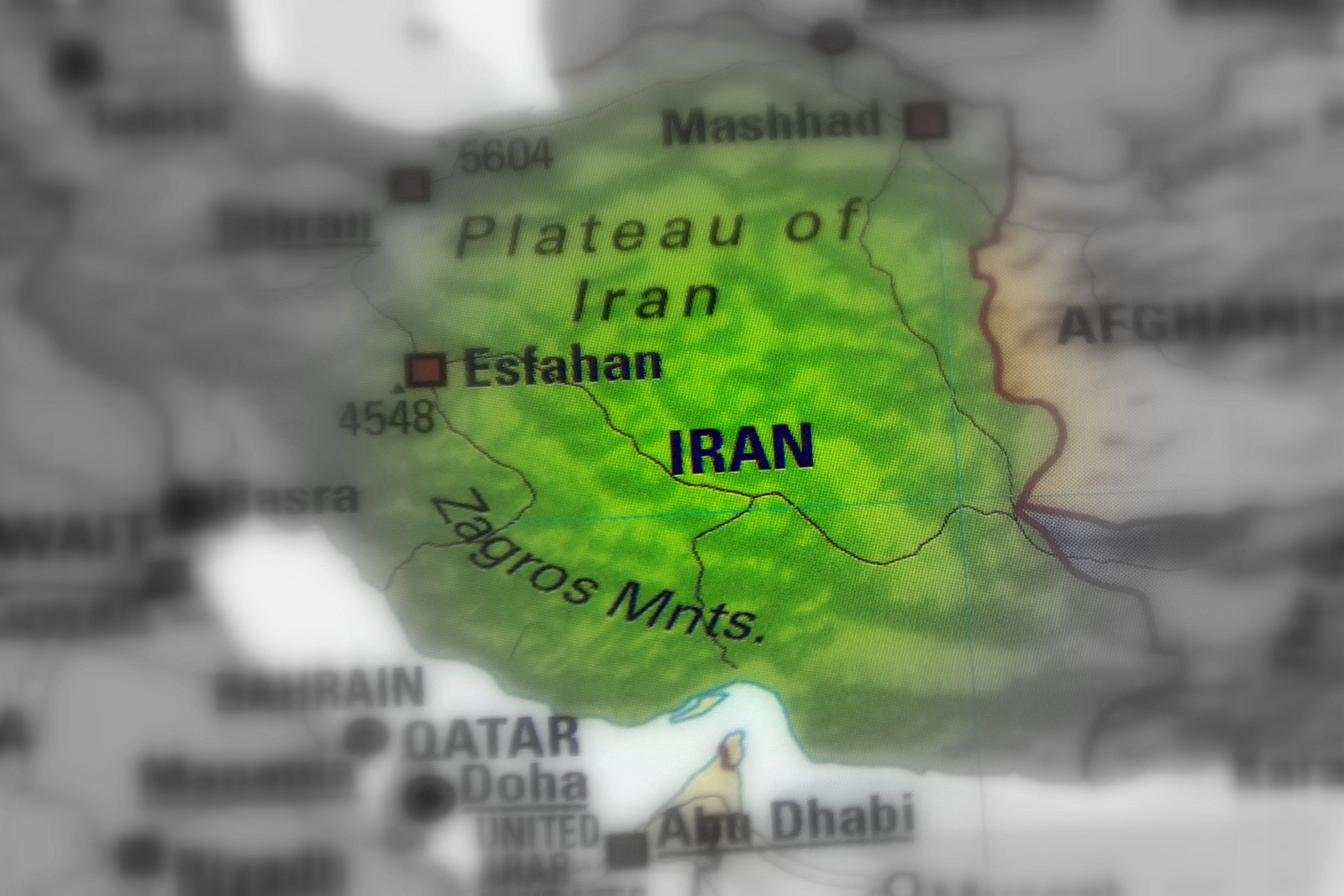
History, Government, Economy, Culture, and Global Influence
Throughout history, nations have developed distinct identities shaped by their government structures, economies, cultures, and global influence. For example, democratic systems often prioritize citizen participation, while autocracies centralize power. Economically, countries may thrive through capitalism, socialism, or mixed systems, impacting wealth distribution and overall prosperity.
Culturally, societies are defined by their traditions, languages, art, and lifestyles, which contribute to a unique national character. This cultural richness often enhances a nation’s global standing, allowing it to project soft power through media, education, and diplomacy.
Global influence can stem from military prowess, economic strength, or cultural exports, as seen with countries like the United States, China, and France. They play significant roles in international organizations, shaping global norms and policies. Understanding these interconnected elements helps to analyze how historical legacies and contemporary developments influence a nation’s position on the world stage, ultimately affecting international relations and cooperation.
For more details and the full reference, visit the source link below: