
The Immigrant Cultures That Built St. Louis Cuisine

St. Louis cuisine is a rich tapestry woven from diverse immigrant cultures, each contributing unique flavors and traditions. German immigrants played a pivotal role in shaping the city’s culinary landscape, introducing beer gardens and dishes like schnitzel and bratwurst. Their love for sausages and other meats laid the groundwork for St. Louis-style barbecue, celebrated for its distinctive sweet and tangy sauce.

Italian immigrants also made a significant impact, bringing recipes for pasta, pizza, and gelato that have become staples in the area. The beloved St. Louis-style pizza, with its thin crust and unique Provel cheese, reflects this influence.

Additionally, African American communities have greatly enriched St. Louis cuisine, infusing it with soul food elements, such as fried catfish, greens, and gumbo. The blending of these cultures creates a vibrant culinary scene where tradition meets innovation, making St. Louis a flavorful destination that celebrates its diverse heritage in every bite.

For more details and the full reference, visit the source link below:


Read the complete article here: https://stlouisrestaurantreview.com/immigrant-cultures-st-louis-cuisine/

The Story Behind Tacos And Mexican Street Food

Tacos and Mexican street food have rich cultural roots that date back to ancient civilizations. The word “taco” is believed to have originated from the silver mines in Mexico, where miners would use small, folded tortillas to hold food, resembling the modern taco. Over time, tacos evolved into diverse variations, reflecting regional ingredients and culinary traditions.

Street vendors, or “taqueros,” play a vital role in Mexico’s food culture, offering a wide array of flavors and styles, from soft corn tortillas filled with marinated meats to vibrant salsas and fresh toppings. Each street taco tells a story, often influenced by local customs and seasonal produce.

Street food is not just a meal; it’s a social experience where community gathers, celebrating flavors and traditions. Today, tacos have transcended borders, becoming a beloved dish worldwide, yet they remain deeply rooted in Mexican heritage, embodying the spirit of sharing and festivity.

For more details and the full reference, visit the source link below:


Read the complete article here: https://stlouisrestaurantreview.com/story-behind-tacos-mexican-street-food/

How Restaurants Bring Communities Together

Restaurants serve as vital hubs for community connection, offering more than just food; they create spaces where friendships are forged and cultures are celebrated. By bringing together diverse groups of people, restaurants foster a sense of belonging and encourage interactions that might not happen elsewhere. From local diners to ethnic eateries, these establishments showcase the rich tapestry of flavors and traditions that define a community.

Special events like food festivals, open mic nights, and cooking classes allow residents to engage with one another, building relationships over shared experiences. Moreover, many restaurants support local farmers and artisans, promoting economic sustainability and strengthening ties within the community.

Through communal seating, family-style dining, and friendly service, restaurants facilitate a welcoming atmosphere that encourages conversations and connection. In an increasingly digital world, these spaces create opportunities for face-to-face interaction, reminding us of the importance of togetherness and the joy found in sharing a meal.

For more details and the full reference, visit the source link below:


Read the complete article here: https://stlouisrestaurantreview.com/restaurants-bring-communities-together/

The History Of Pizza From Naples To America

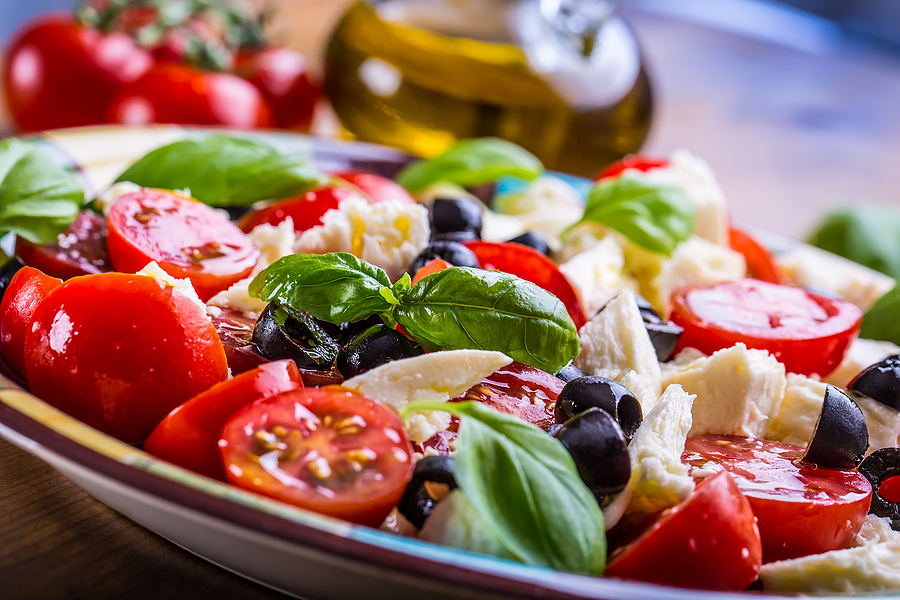
Pizza traces its origins to Naples, Italy, in the late 18th century, where it was a humble dish for the working class. Initially, it consisted of simple flatbreads topped with tomatoes, cheese, and herbs. The Margherita pizza, created in 1889 to honor Queen Margherita of Savoy, showcased the Italian flag’s colors with its red tomatoes, white mozzarella, and green basil.

The migration of Italians to the United States in the late 19th and early 20th centuries brought pizza to American shores. Initially popular in Italian immigrant communities, such as New York City, pizza quickly gained mainstream appeal. By the 1950s, it had transformed into various regional styles, including New York’s thin crust and Chicago’s deep dish.

Today, pizza is a global phenomenon, celebrated for its versatility and creativity, evolving with local ingredients and flavors while remaining rooted in its Italian heritage. Pizza’s journey reflects cultural exchange and culinary innovation.

For more details and the full reference, visit the source link below:

Read the complete article here: https://stlouisrestaurantreview.com/history-of-pizza-from-naples-america/

Why Mediterranean Food Is Considered The Healthiest Diet

Mediterranean food is celebrated as one of the healthiest diets due to its emphasis on fresh, whole ingredients and balanced nutrition. Rich in fruits, vegetables, whole grains, and legumes, this diet is packed with essential vitamins, minerals, and antioxidants. The use of healthy fats, primarily from olive oil, is a cornerstone, providing monounsaturated fats that support heart health.

Moreover, Mediterranean cuisine features moderate amounts of fish and poultry, while limiting red meat and processed foods, which helps maintain a balanced intake of protein and nutrients. The diet is also known for its abundant variety, encouraging people to enjoy a diverse range of flavors and textures, making it more sustainable long-term.

Research has linked adherence to this dietary pattern with numerous health benefits, including reduced risks of heart disease, stroke, and certain cancers, as well as improved cognitive function. Overall, the Mediterranean diet promotes a holistic approach to eating, fostering both physical health and social enjoyment.

For more details and the full reference, visit the source link below:


Read the complete article here: https://stlouisrestaurantreview.com/mediterranean-food-considered-diet/

Why Italian Food Dominates The Restaurant Industry

Italian food has become a cornerstone of the global restaurant industry, capturing hearts and palates alike. One reason for its dominance is the universal appeal of its flavors. The rich, comforting dishes—like pizza, pasta, and risotto—offer a perfect blend of simplicity and taste, making them accessible to diverse diners.

Moreover, Italian cuisine emphasizes high-quality ingredients, which resonate with today’s health-conscious consumers. Fresh vegetables, quality cheeses, and aromatic herbs are hallmarks of Italian cooking, appealing to those who prioritize authenticity.

The versatility of Italian food also plays a critical role; it can be adapted to various dietary preferences, from gluten-free pasta to vegan pizzas, ensuring there’s something for everyone.

Additionally, the warm and inviting atmosphere often associated with Italian dining creates a communal experience. This combination of flavor, quality, versatility, and atmosphere makes Italian food not just a culinary choice but a beloved worldwide phenomenon that thrives in the restaurant industry.

For more details and the full reference, visit the source link below:


Read the complete article here: https://stlouisrestaurantreview.com/italian-food-restaurant-industry/

The Rise Of Korean BBQ In America

The rise of Korean BBQ in America has transformed the culinary landscape, captivating food enthusiasts across the nation. This vibrant dining experience, characterized by the interactive grilling of marinated meats at the table, gained popularity in the early 2000s. Initially concentrated in cities with dense Korean populations, such as Los Angeles and New York, Korean BBQ has since expanded to diverse locales, appealing to a wide array of diners.

Cultural curiosity played a significant role in its ascendancy. The fusion of bold flavors, including spicy gochujang and savory marinades, coupled with the communal aspect of cooking and sharing, attracts both foodies and families alike. The trend was further bolstered by social media, where visually appealing dishes often go viral, creating a buzz around Korean cuisine.

Restaurants have adapted the format to cater to American palates, introducing new variations and pairings. Overall, Korean BBQ’s rise is a testament to the growing appreciation for diverse culinary traditions in the United States.

For more details and the full reference, visit the source link below:


Read the complete article here: https://stlouisrestaurantreview.com/the-rise-of-korean-bbq-america/

Why Local Restaurants Matter More Than Ever

Local restaurants play a crucial role in communities, especially in today’s fast-paced, globalized world. They foster a sense of belonging, bringing people together over shared meals and unique cultural experiences. By supporting local eateries, we help sustain jobs and boost the local economy, ensuring that money stays within the community.

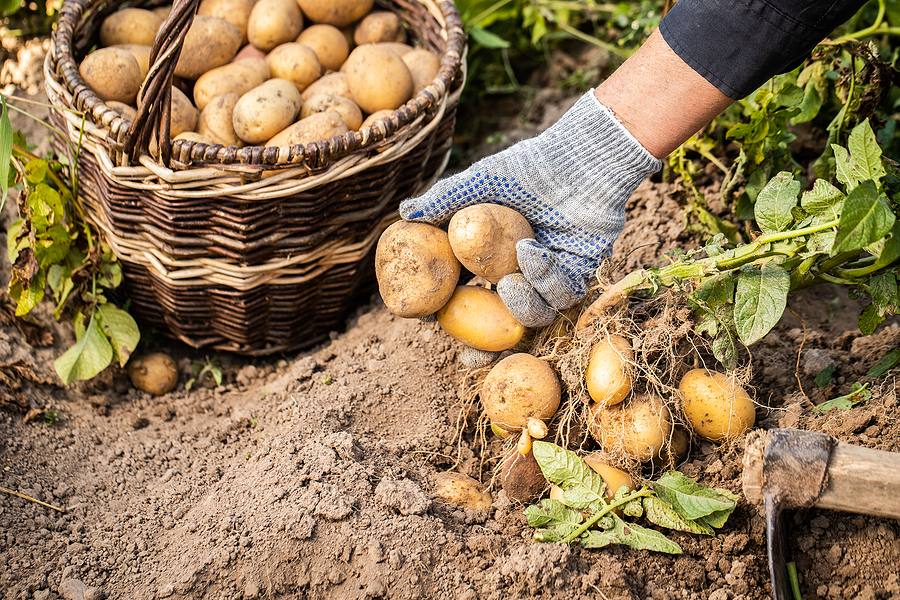
Moreover, local restaurants often prioritize fresh, regional ingredients, promoting sustainability and reducing environmental impact. They offer diverse cuisines that reflect the community’s heritage, enriching our culinary landscape and allowing us to explore new flavors without venturing far from home.

In times of crisis, such as economic downturns or global events like pandemics, local restaurants often take the hardest hits. By choosing to dine local, we not only enjoy distinctive food but also contribute to the resilience and vitality of our neighborhoods. In essence, supporting local restaurants nurtures community spirit, fosters economic stability, and celebrates the rich tapestry of local culture.

For more details and the full reference, visit the source link below:

Read the complete article here: https://stlouisrestaurantreview.com/local-restaurants-matter-more-ever/

The Importance Of Fresh Ingredients In Cooking

Fresh ingredients play a crucial role in cooking, elevating flavors and enhancing nutritional value. When using fresh produce, meats, and herbs, dishes become more vibrant and flavorful, providing a sensory experience that dried or processed alternatives often lack. Fresh ingredients retain their natural enzymes and nutrients, contributing to a diet that supports overall health.

Incorporating seasonal and locally sourced ingredients not only boosts taste but also fosters a connection to the community and the environment. Chefs and home cooks alike appreciate the uniqueness that fresh ingredients bring, as they can truly reflect the essence of a dish.

Additionally, the freshness of ingredients can influence cooking techniques and preparation methods, allowing for creativity in the kitchen. Ultimately, prioritizing fresh ingredients leads to healthier meals, supports sustainable practices, and inspires a passion for cooking that celebrates the richness of nature’s bounty. By embracing fresh ingredients, we honor both our health and culinary traditions.

For more details and the full reference, visit the source link below:


Read the complete article here: https://stlouisrestaurantreview.com/importance-fresh-ingredients-cooking/

This Canadian Family Drove Myanmar’s Civil Conflict Through ‘Blood Pearls’

In recent years, a Canadian family has been embroiled in controversy due to their involvement in Myanmar’s civil conflict, largely through the exploitation of pearl production. Known for their multi-generational business, they have been accused of profiting from the instability caused by ongoing strife in the region. The family’s activities have drawn attention to the broader issue of resource exploitation in conflict zones, where local communities often suffer while foreign entities benefit economically.

The term “Blood Pearls,” reminiscent of “blood diamonds,” highlights the ethical dilemmas surrounding such ventures. As Myanmar’s civil conflict escalates, the family’s operations have sparked outrage among activists and human rights organizations. They argue that the economic gains attributed to pearl production come at the cost of human rights violations and environmental degradation. This situation underscores the need for corporate accountability and greater transparency in supply chains, urging consumers and businesses to consider the origins of the products they support.

For more details and the full reference, visit the source link below:


Read the complete article here: https://www.stl.news/this-canadian-family-drove-myanmars-civil-conflict-through-blood-pearls/

Get Featured on STL.News Guest Posts, Press Releases & SEO Links