The Future Of The Corporate Conference

The future of corporate conferences is poised for transformation, driven by advancements in technology and evolving attendee expectations. Hybrid models are likely to dominate, blending in-person experiences with virtual participation, allowing for greater accessibility and inclusivity. Attendees will demand interactive formats that foster engagement, such as immersive workshops, networking opportunities through gamification, and real-time feedback mechanisms.

Sustainability will play a pivotal role, with companies prioritizing eco-friendly practices, from reduced waste to digital materials over paper handouts. AI and data analytics will enhance personalization, enabling organizers to tailor content and experiences to specific audience needs.

Moreover, the focus on mental well-being will influence conference design, with more holistic approaches that integrate wellness activities alongside professional development. As companies increasingly recognize the importance of employee engagement, the corporate conference of the future will not only serve as a platform for learning but also as a vital space for connection, collaboration, and inspiration.

For more details and the full reference, visit the source link below:


Read the complete article here: https://www.stl.news/the-future-of-the-corporate-conference/

Global Markets Show Caution on April 16, 2026

On April 16, 2026, global markets exhibited a cautious demeanor as investors grappled with a slew of economic uncertainties. Key indices around the world showed subdued trading, influenced by mixed signals from major economies. In the U.S., inflation concerns persisted, prompting speculation about potential rate hikes by the Federal Reserve. European markets were similarly tentative, weighed down by geopolitical tensions and sluggish economic recovery indicators from key member states.

Asian markets followed suit, showing volatility as traders reacted to fluctuating commodity prices and tightening regulations in China. The energy sector faced scrutiny amid fluctuating oil prices, which, coupled with heightened climate policies, prompted investor hesitance. Corporate earnings reports started to trickle in, revealing a mixed bag that further fueled investor apprehension. As caution prevailed, analysts underscored the importance of monitoring macroeconomic signals and geopolitical developments, anticipating that the coming weeks could significantly influence market trajectories. Overall, the sentiment reflected a careful wait-and-see approach among investors worldwide.

For more details and the full reference, visit the source link below:


Read the complete article here: https://www.stl.news/global-markets-show-caution-on-april-16-2026/

Gas Prices Hold Firm This Week as Markets Brace for Uncertainty

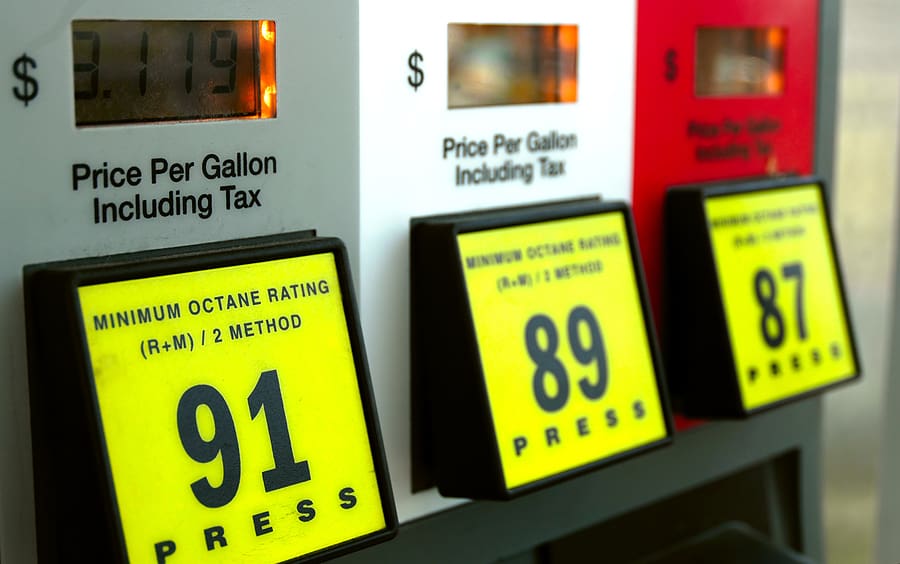
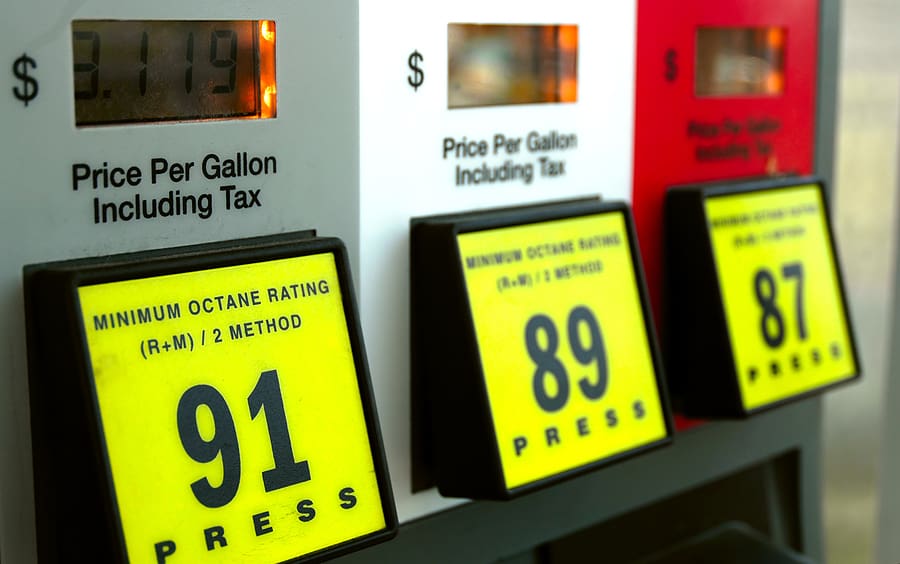
Gas prices have shown remarkable stability this week despite ongoing market fluctuations and geopolitical tensions. As consumers fill up their tanks, the average cost per gallon remains steady, much to the relief of many. Analysts attribute this firmness to a combination of factors, including a decrease in crude oil prices and improvements in refinery output, which have helped to offset potential spikes.

However, uncertainty looms on the horizon. Events such as potential supply chain disruptions and geopolitical conflicts in oil-producing regions keep markets on edge. Additionally, fluctuations in demand as seasonal travel patterns shift could impact prices moving forward.

Consumers are advised to stay informed about market trends, as even small changes in demand or supply can lead to significant price adjustments. For now, though, drivers can fill up without worrying about sudden increases, allowing for more predictable budgeting in their daily lives.

For more details and the full reference, visit the source link below:


Read the complete article here: https://www.stl.news/gas-prices-hold-firm-this-week-markets-brace/

Rising Gas Prices Are Hurting More Than Your Wallet — Local Restaurants Are at Risk

Rising gas prices are impacting more than just our wallets; they pose a significant threat to local restaurants. As fuel costs surge, transportation expenses for food supplies increase, forcing restaurant owners to make tough choices. Many are struggling to absorb these costs, leading to higher menu prices, which may deter customers.

Moreover, delivery services, vital for many eateries, face escalated operational costs, often resulting in limited menu offerings or reduced delivery areas. As diners seek more economical options, local establishments may experience a dip in sales, jeopardizing their stability.

Additionally, less disposable income means fewer patrons visiting restaurants, further compounding the issue. The ripple effect extends beyond food; local farms and suppliers may also suffer from decreased demand. If gas prices continue to climb, it could signify not only a challenge for consumers but a potential crisis for small businesses that form the backbone of our communities. Supporting these restaurants through tough times is essential for their survival.

For more details and the full reference, visit the source link below:


Read the complete article here: https://www.stl.news/rising-gas-prices-hurting-wallet-restaurants-at-risk/

The State Of The Restaurant Industry

The restaurant industry is experiencing a dynamic transformation shaped by various factors, including shifting consumer preferences, economic challenges, and technological advancements. Post-pandemic recovery has prompted many establishments to adopt innovative approaches, emphasizing delivery and takeout options to cater to changing dining habits. Sustainability is increasingly vital, with diners seeking eco-friendly practices and locally sourced ingredients.

Labor shortages continue to be a significant hurdle, driving operators to enhance employee benefits and work environments to attract and retain staff. Meanwhile, digital platforms are revolutionizing operations, with reservations, ordering, and payments increasingly moving online.

Ghost kitchens and food trucks are gaining popularity, offering flexibility and lower overhead costs. As competition intensifies, restaurants must focus on unique dining experiences, innovative menus, and exceptional customer service to stand out. Overall, the industry is resilient, adapting to challenges while evolving to meet the demands of a more health-conscious and tech-savvy clientele.

For more details and the full reference, visit the source link below:


Read the complete article here: https://stlouisrestaurantreview.com/state-of-the-restaurant-industry/

Food Truck Debate Intensifies In St. Louis City

The food truck debate in St. Louis City has intensified as local officials grapple with regulations that impact mobile vendors. As the popularity of food trucks surges, advocates argue they bring culinary diversity and economic opportunities to neighborhoods. Supporters believe these mobile kitchens can foster community engagement and provide small entrepreneurs with a platform to showcase their talents.

However, opponents raise concerns about safety, sanitation, and competition with brick-and-mortar restaurants. They argue that food trucks can disrupt local business ecosystems and create logistical challenges in busy areas. As the debate unfolds, city lawmakers are exploring potential regulations aimed at balancing the interests of food truck operators and established restaurants.

Community forums have erupted with passionate discussions, highlighting the need for a comprehensive approach that considers public health, zoning laws, and the vibrancy that food trucks bring. As voices from both sides echo in the streets, the future of food trucks in St. Louis hangs in the balance.

For more details and the full reference, visit the source link below:


Read the complete article here: https://stlouisrestaurantreview.com/food-truck-debate-st-louis-city/

U.S. Stock Market Surges on Optimism on April 14, 2026

On April 14, 2026, the U.S. stock market experienced a significant surge, fueled by growing optimism among investors regarding economic recovery. Major indexes, including the S&P 500 and Dow Jones Industrial Average, posted strong gains as reports of better-than-expected corporate earnings and robust consumer spending bolstered market confidence. Analysts noted that companies across various sectors, particularly technology and retail, reported impressive quarterly results, signaling resilience amidst ongoing economic challenges.

Additionally, positive news regarding advancements in key economic indicators, such as job growth and inflation stabilization, contributed to the bullish sentiment. Investor enthusiasm was further amplified by comments from Federal Reserve officials suggesting a cautious approach to interest rate hikes, reassuring markets. The surge reflected a renewed belief in the potential for sustained growth, attracting both institutional and retail investors eager to capitalize on favorable conditions. As optimism continued to swell, market participants remained vigilant, closely monitoring global developments that could influence the economy moving forward.

For more details and the full reference, visit the source link below:


Read the complete article here: https://www.stl.news/u-s-stock-market-surges-on-optimism-april-14-2026/

Is the Conflict Entering a Dangerous New Phase?

The ongoing conflict appears to be entering a dangerous new phase, marked by escalating tensions and more aggressive tactics from involved parties. Recent developments indicate a shift in strategies, with both sides increasingly resorting to military action that threatens to destabilize the region further. Civilian casualties are rising, and humanitarian conditions are deteriorating, raising alarms among international observers. Diplomatic efforts seem to be faltering, as trust erodes and communication lines diminish.

Additionally, the involvement of external actors complicates the situation, potentially escalating regional disputes into a broader confrontation. This environment of heightened uncertainty and mistrust may provoke rash decisions that could lead to unintended consequences.

The international community’s role is crucial at this juncture; sustained diplomatic engagement and pressure for de-escalation are vital to prevent the situation from spiraling out of control. Failure to address these concerns could plunge the region into an even deeper cycle of violence and instability.

For more details and the full reference, visit the source link below:


Read the complete article here: https://www.stl.news/iran-war-update-2026-conflict-dangerous-phase/

How the Iran Conflict Is Hitting Drivers at the Pump

The ongoing conflict in Iran has significant ramifications for global oil markets, directly impacting drivers at the pump. As one of the world’s leading oil producers, political instability in Iran often leads to fluctuations in crude oil prices. When tensions rise or sanctions are imposed, supply concerns can drive prices higher, translating to increased costs for consumers.

In recent months, heightened geopolitical tensions have led to speculation in oil markets, causing prices per barrel to surge. This results in higher gasoline prices at filling stations across the globe, straining household budgets. Additionally, refinery disruptions due to increased security concerns can further exacerbate the situation, limiting supply and pushing prices even higher.

As drivers feel the pinch at the pump, the economic ripple effect is felt across various sectors, ultimately contributing to inflation and affecting consumers’ purchasing power. The Iran conflict underscores the interconnectedness of global events and local economies, shaping drivers’ experiences at the fuel station.

For more details and the full reference, visit the source link below:


Read the complete article here: https://www.stl.news/gas-prices-surge-missouri-how-iran-conflict-hitting-drivers-pump/

When Will Gas Prices Drop? What Needs to Happen in Iran for Relief at the Pump

Gas prices are influenced by a myriad of factors, with geopolitical tensions playing a significant role. One key area of focus is Iran, a major oil producer. If the situation in Iran stabilizes, it could lead to increased oil supply in the global market, potentially lowering prices at the pump.

Currently, sanctions imposed on Iran have restricted its oil exports. If diplomatic negotiations succeed, allowing Iran to resume its oil production, this could help alleviate the pressure on oil prices. Additionally, a decrease in demand, whether due to economic slowdowns or shifts to alternative energy sources, could also contribute to falling gas prices.

Moreover, the Organization of the Petroleum Exporting Countries (OPEC) and its allies play a crucial role in regulating oil production levels. If they decide to boost production in response to increased supply from Iran, this could drive prices down further. Until these dynamics shift, consumers may continue to experience elevated gas prices.

For more details and the full reference, visit the source link below:


Read the complete article here: https://www.stl.news/when-will-gas-prices-drop-what-needs-to-happen-in-iran-for-relief-at-the-pump/

Get Featured on STL.News Guest Posts, Press Releases & SEO Links