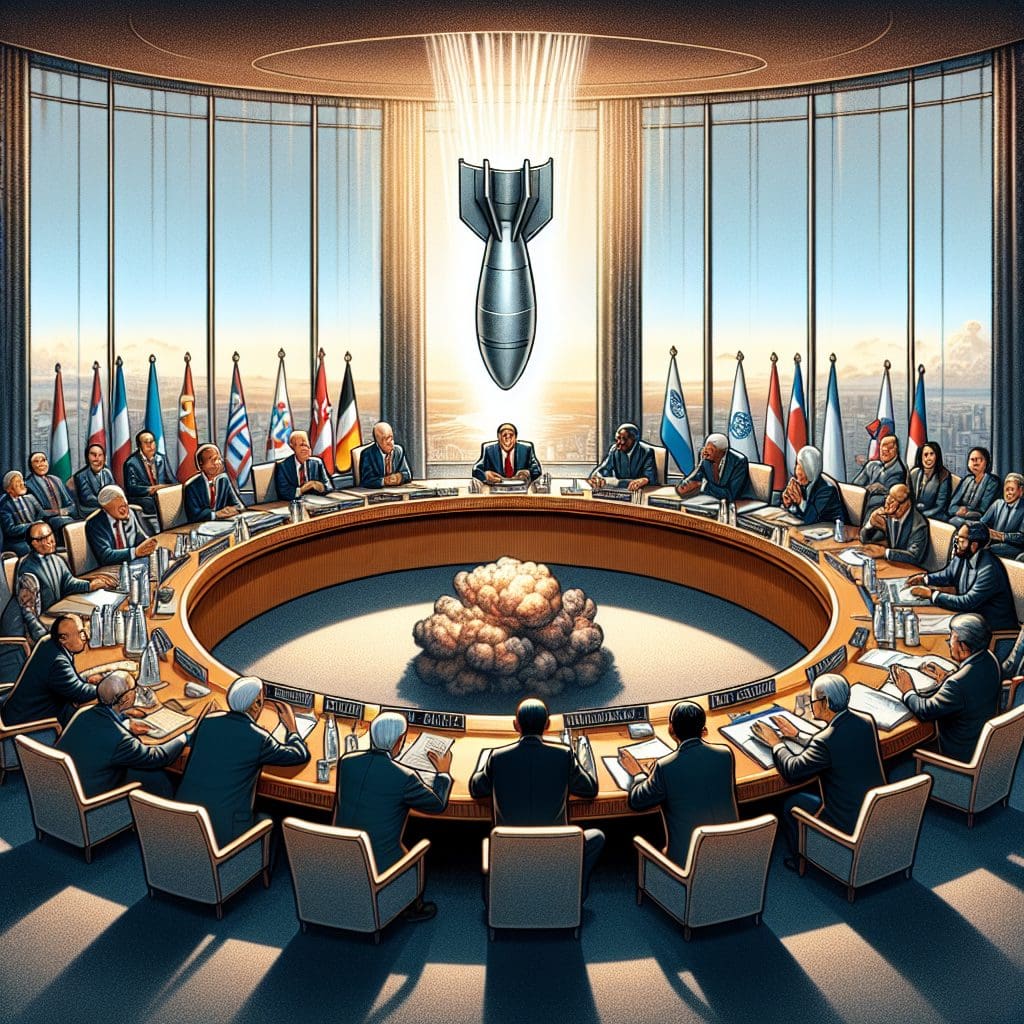
Iran’s Nuclear Limitations Were Driven by Diplomacy Rather Than Technology—Until the Bombs Began to Fall.
Iran’s nuclear limitations have primarily been shaped by diplomatic negotiations rather than technological constraints. From the early 2000s, international dialogue, particularly through frameworks like the Joint Comprehensive Plan of Action (JCPOA), aimed to curb Iran’s nuclear ambitions by imposing restrictions on its programs. This diplomatic effort stemmed from global concerns over nuclear proliferation in an unstable region.
However, once hostilities escalated and military tensions heightened, particularly illustrated by the bombing campaigns in the Middle East, Iran’s approach shifted. The threat of military action undermined the effectiveness of diplomacy, leading to a more aggressive nuclear posture. In this environment, the strategic rationale for developing nuclear capabilities became intertwined with national security concerns rather than solely technological aspirations.
Consequently, what began as a negotiation-driven framework swiftly transformed into an arms race mentality, highlighting the fragility of diplomatic achievements in the face of escalating military threats. This evolution underscores the complex interplay between diplomacy and technology in global nuclear politics.
For more details and the full reference, visit the source link below: