How Is Climate Change Affecting Avalanches and Their Prediction?
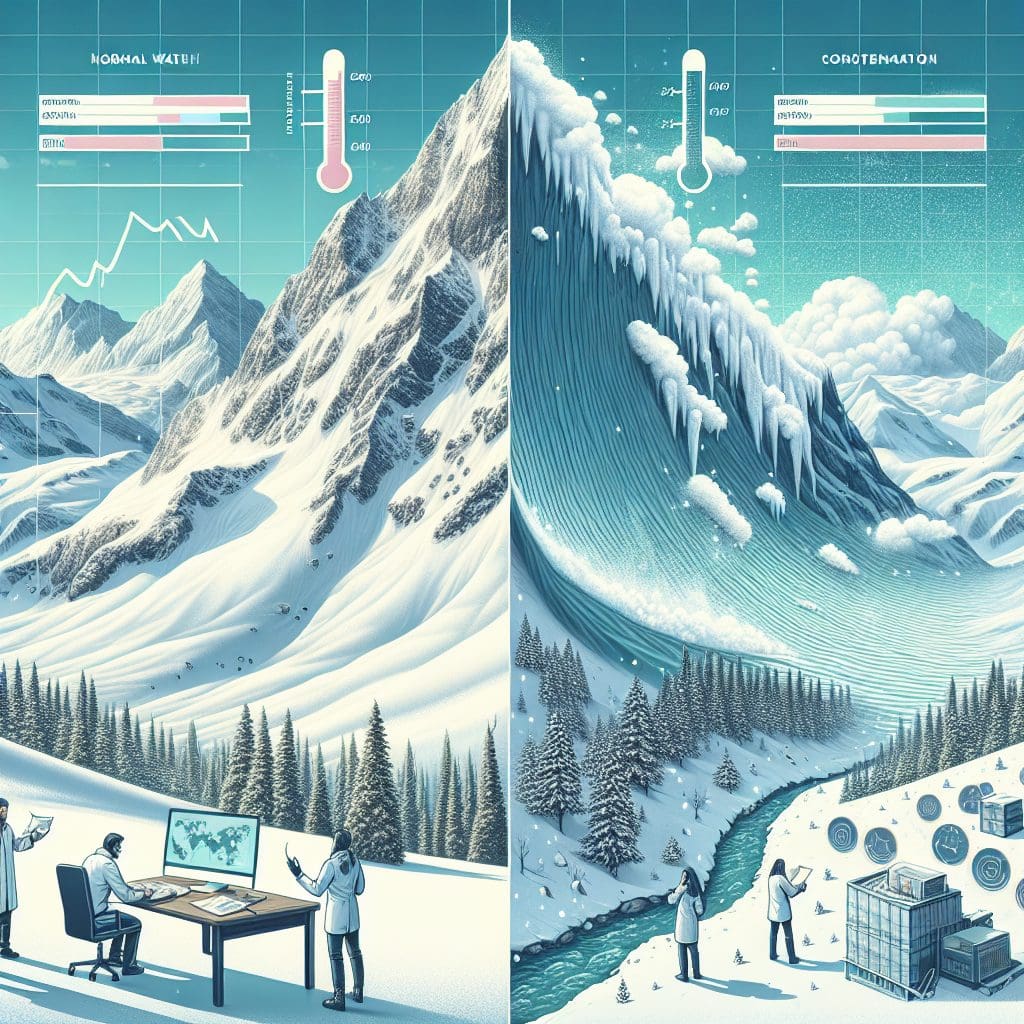
Climate change significantly impacts avalanches and their prediction. As global temperatures rise, snowpack dynamics shift, leading to increased variability in snowfall patterns. Warmer winters result in reduced snow accumulation, while erratic warm spells can cause rapid melting and refreezing, creating unstable layers within the snowpack. These conditions can heighten avalanche risk, making it challenging for forecasters to predict when and where avalanches will occur.
Furthermore, changing weather patterns are causing more extreme precipitation events, leading to sudden heavy snowfall that can overwhelm existing snow structures. Meteorological tools and models must adapt to these evolving conditions for accurate avalanche forecasting. This includes integrating finer data sets and real-time observations to anticipate potential avalanche triggers.
In essence, climate change is making avalanches less predictable, emphasizing the need for advanced forecasting techniques and greater awareness of changing avalanche behaviors among outdoor enthusiasts and professionals. Improved understanding and adaptation strategies are crucial for minimizing risks associated with avalanches in a warming world.
For more details and the full reference, visit the source link below: