Who Decides When America Goes to War?
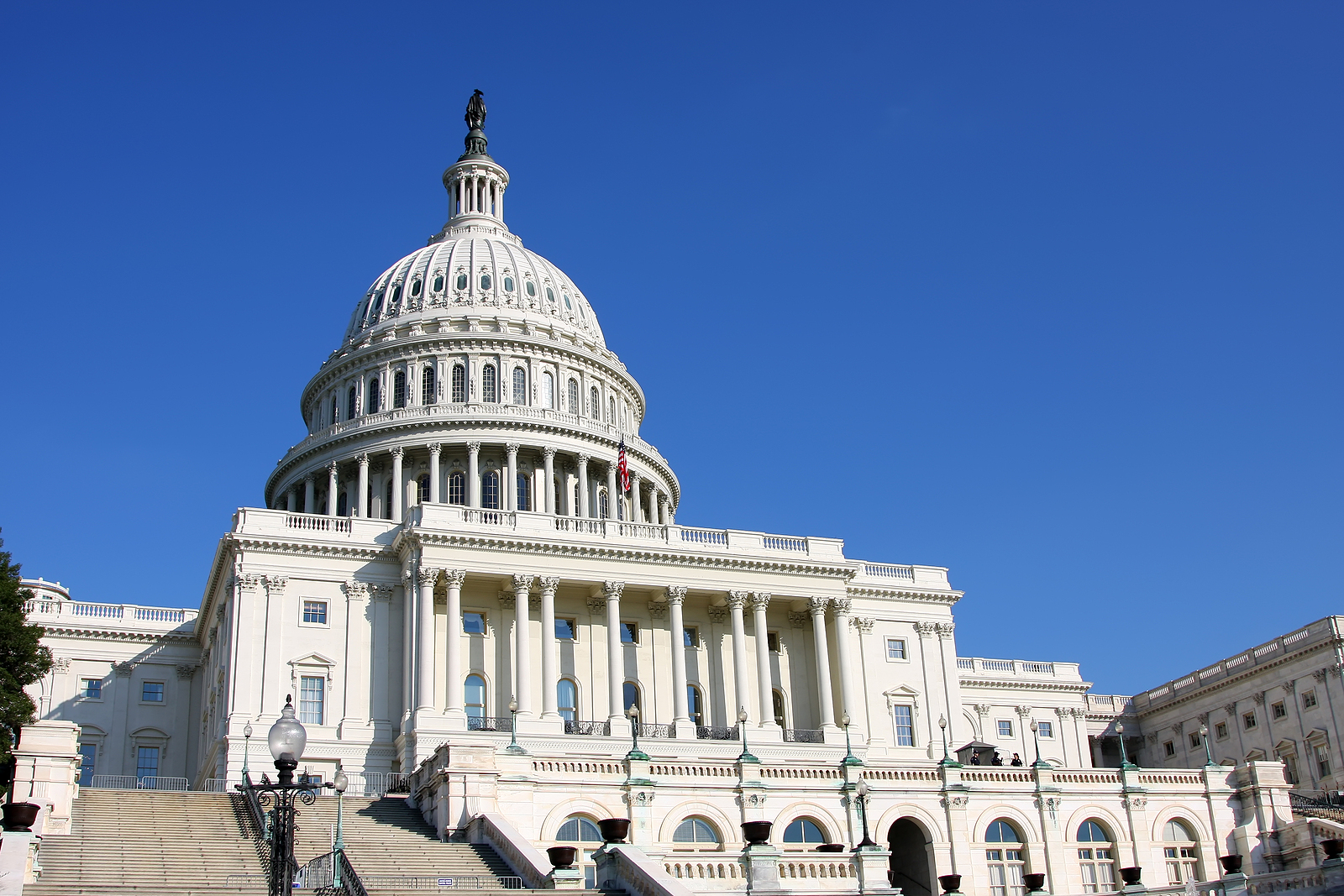
The decision to go to war in America involves a complex interplay of multiple branches of government and various factors. Primarily, the U.S. Constitution grants Congress the power to declare war. However, in practice, the President, as Commander-in-Chief of the armed forces, often engages military forces without formal declarations of war. This tension between Congress and the Executive Branch has led to a range of military actions being undertaken based on executive decisions, often justified under the guise of national security or urgent threats.
Additionally, public opinion, media coverage, and political pressure can heavily influence these decisions. The War Powers Resolution of 1973 attempts to restrain the President’s ability to engage in prolonged military actions without Congressional approval, requiring that troops be reported to Congress within 48 hours of deployment.
In essence, while Congress holds the formal authority, the President frequently drives military engagement, reflecting a balance of power that continues to evolve in contemporary geopolitical contexts.
For more details and the full reference, visit the source link below: